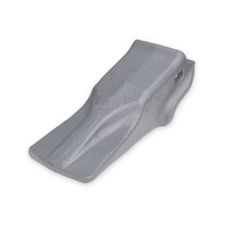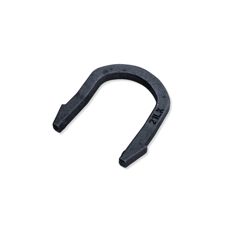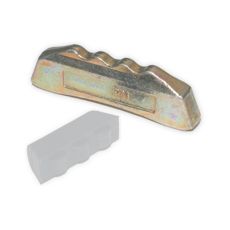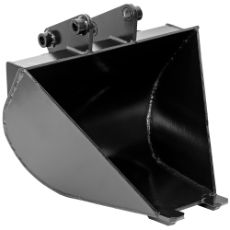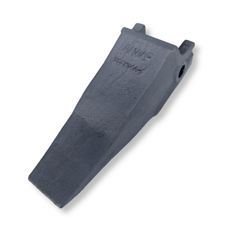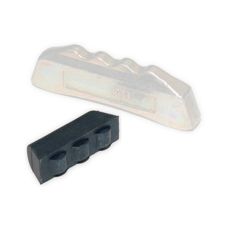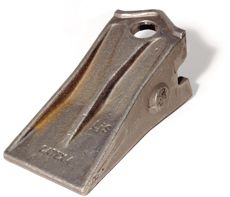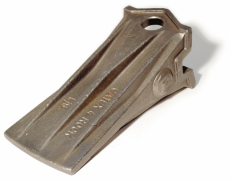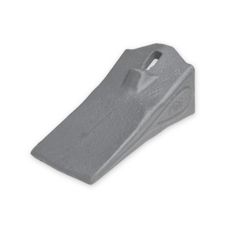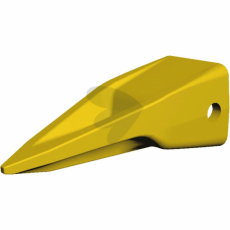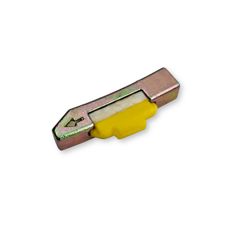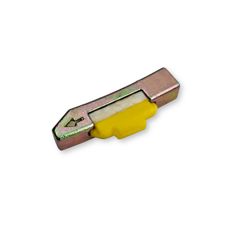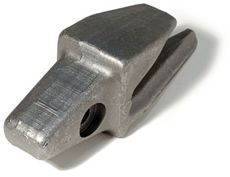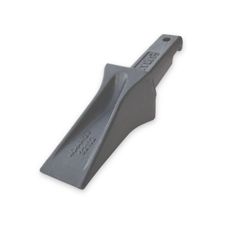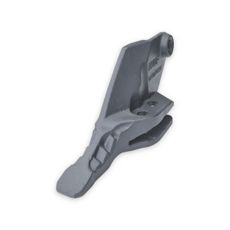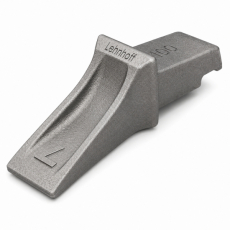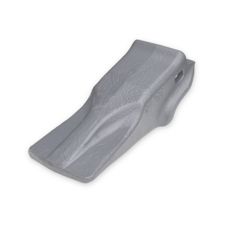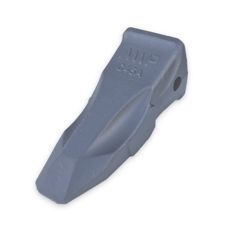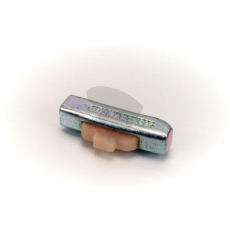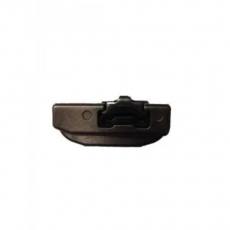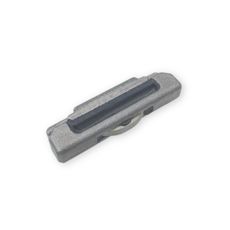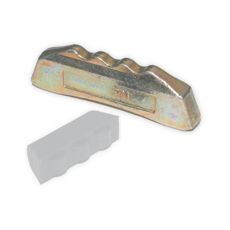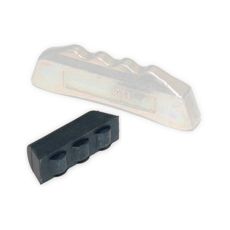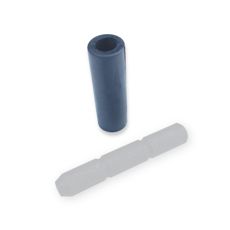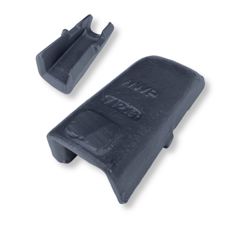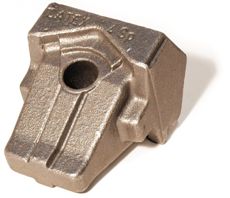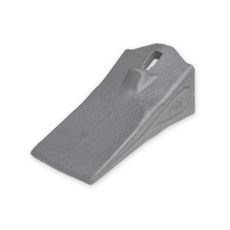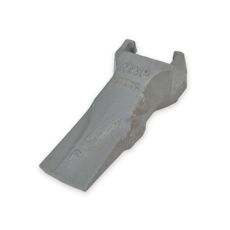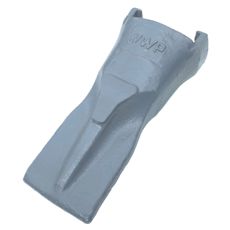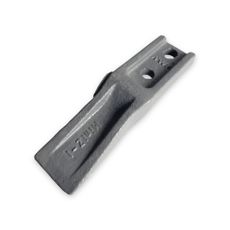

Here you will find a wide range of excavator buckets and ditch buckets, bucket edges, and attachments.
Excavator buckets are essential equipment for tractors. There are many different types of excavator buckets, each with its own advantages and disadvantages. The most common type of
excavator bucket is the general-purpose bucket, also known as a digging bucket, which can handle most tasks such as soil, loose clay, sand, gravel, and stones that are not too hard.
This type of bucket is versatile and can be used for a variety of tasks, for
example, digging, loading, and moving materials. General-purpose buckets are
usually made of steel and have a curved shape that makes it easy to scoop up material.
Another common type of excavator bucket is the ditching bucket. Ditching buckets are specially
designed to dig ditches and have a sharp pointed cutting edge that makes it easy to penetrate the ground.
Ditching buckets are usually made of aluminum or plastic, making them lighter than steel buckets and less likely to cause damage to the underlying surface.
There are also several specialized excavator buckets available, such as rock buckets,
demolition buckets, and grab buckets. Rock buckets are designed to handle stones and other
hard objects, while demolition buckets are specifically designed to break down walls and other obstacles.
Grab buckets have claws on the front that can be used to grasp objects tightly, making it
easier to move them. When choosing an excavator bucket, it is important to consider what type of work will be
done most often. If the tractor will be used for a variety
Each type of bucket has its own advantages and disadvantages that should be considered before making
a purchase. General-purpose buckets are versatile and can be used for a variety of
tasks, but they are usually made of steel, which can add extra weight to the tractor.
When using an excavator bucket daily, this will wear on the bucket edges and attachments.
In that case, it is good to know that these are easily replaceable. This way, you get equipment
that can handle the task it is intended for. If you have any old buckets, it may be a
good idea to service them and mount new bucket edges so you are ready to perform all
intended tasks on your farm.
There are a few things to consider when replacing the bucket teeth. You need to ensure that
the new teeth fit the excavator's bucket properly. Also, that the new teeth are compatible with
the excavator's equipment, you also need to make sure that the new teeth are
properly installed and secured.
Replacing the bucket teeth may seem like a difficult task but it usually only requires more than a normal level of technical knowledge. It is important to do it properly to get
the most out of your excavator buckets. Also, make sure that the new teeth fit properly
on the excavator's bucket and work together with the excavator's equipment. The new teeth
are properly installed and secured.
However, if you need to repair your excavator bucket, it can often be done quickly
and easily, sometimes just by replacing the bucket edges. There are a few different things that can
cause damage to your excavator bucket. The most common cause of damage is usually wear and tear. Over
time, the bucket will begin to show signs of wear, such as cracks or chips. Other
causes of damage are impact damage, such as from rocks or debris, and corrosion.
Once you have determined the cause of the damage, you can start thinking about how to repair it.
For minor damage, such as cracks or chips, you may be able to repair the bucket yourself with some
basic tools. For more serious damage, such as from impacts or corrosion, it is best to seek professional help from a knowledgeable craftsman.
Excavator buckets are essential equipment for tractors. There are many different types of excavator buckets, each with its own advantages and disadvantages. The most common type of
excavator bucket is the general-purpose bucket, also known as a digging bucket, which can handle most tasks such as soil, loose clay, sand, gravel, and stones that are not too hard.
This type of bucket is versatile and can be used for a variety of tasks, for
example, digging, loading, and moving materials. General-purpose buckets are
usually made of steel and have a curved shape that makes it easy to scoop up material.
Another common type of excavator bucket is the ditching bucket. Ditching buckets are specially
designed to dig ditches and have a sharp pointed cutting edge that makes it easy to penetrate the ground.
Ditching buckets are usually made of aluminum or plastic, making them lighter than steel buckets and less likely to cause damage to the underlying surface.
There are also several specialized excavator buckets available, such as rock buckets,
demolition buckets, and grab buckets. Rock buckets are designed to handle stones and other
hard objects, while demolition buckets are specifically designed to break down walls and other obstacles.
Grab buckets have claws on the front that can be used to grasp objects tightly, making it
easier to move them. When choosing an excavator bucket, it is important to consider what type of work will be
done most often. If the tractor will be used for a variety
Each type of bucket has its own advantages and disadvantages that should be considered before making
a purchase. General-purpose buckets are versatile and can be used for a variety of
tasks, but they are usually made of steel, which can add extra weight to the tractor.
When using an excavator bucket daily, this will wear on the bucket edges and attachments.
In that case, it is good to know that these are easily replaceable. This way, you get equipment
that can handle the task it is intended for. If you have any old buckets, it may be a
good idea to service them and mount new bucket edges so you are ready to perform all
intended tasks on your farm.
There are a few things to consider when replacing the bucket teeth. You need to ensure that
the new teeth fit the excavator's bucket properly. Also, that the new teeth are compatible with
the excavator's equipment, you also need to make sure that the new teeth are
properly installed and secured.
Replacing the bucket teeth may seem like a difficult task but it usually only requires more than a normal level of technical knowledge. It is important to do it properly to get
the most out of your excavator buckets. Also, make sure that the new teeth fit properly
on the excavator's bucket and work together with the excavator's equipment. The new teeth
are properly installed and secured.
However, if you need to repair your excavator bucket, it can often be done quickly
and easily, sometimes just by replacing the bucket edges. There are a few different things that can
cause damage to your excavator bucket. The most common cause of damage is usually wear and tear. Over
time, the bucket will begin to show signs of wear, such as cracks or chips. Other
causes of damage are impact damage, such as from rocks or debris, and corrosion.
Once you have determined the cause of the damage, you can start thinking about how to repair it.
For minor damage, such as cracks or chips, you may be able to repair the bucket yourself with some
basic tools. For more serious damage, such as from impacts or corrosion, it is best to seek professional help from a knowledgeable craftsman.